Sustainable farming has become a cornerstone of modern agriculture as farmers, consumers, and communities work toward methods that protect the environment while producing high-quality food for generations to come. At its heart, sustainable farming focuses on balancing productivity with ecological responsibility. This means choosing crops and livestock systems that replenish rather than deplete resources, minimizing chemical inputs, supporting soil health, and reducing the carbon footprint of food production. By integrating smarter land management, regenerative practices, and careful product selection, farms can thrive long term while supporting healthier ecosystems.
Starts With Healthy Soil
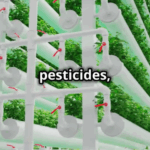 One of the major priorities in sustainable farming is building healthy, resilient soil. Crops such as legumes, perennial grasses, and cover crops are particularly conducive to long-term sustainability because they reduce erosion, enhance soil structure, and naturally fix nitrogen. These crops lower the need for synthetic fertilizers and encourage a biodiverse microbial community underground. Perennials like alfalfa, clover, and native grasses also require less water and maintenance over time, making them ideal for regions impacted by drought or limited rainfall. Rotational grazing systems—where livestock move across different pastures instead of being confined to one—further strengthen soil health, prevent overgrazing, and support more balanced nutrient distribution.
Diversity Leads To Longevity
 Sustainable farms also benefit from diverse livestock selection, choosing animals that thrive within their environment rather than relying on resource-intensive models. Heritage breeds of pigs, chickens, and cattle often adapt better to outdoor or pasture-based systems, which require fewer grains and less infrastructure. They contribute to a circular system in which manure becomes fertilizer, grazing reduces the need for machinery, and animals gain nutrition from land that may not be suitable for crops. This reduces dependency on external feed and energy inputs, helping farms remain stable even during economic fluctuations.
Value-Added Agricultural Goods
 Another key component of long-term farming viability is producing value-added agricultural goods—products that use existing farm resources but increase the potential profitability of each harvest or animal. Within livestock farming, pork products often play a significant role in this strategy. This is where specialty items like cottage bacon become particularly relevant. Cottage bacon is a flavorful, leaner alternative to traditional belly bacon. Instead of being made from pork belly, it is created from smoked and cured pork shoulder (also called pork butt). The shoulder cut gives what is cottage bacon a meaty texture and rich flavor while offering a more economical use of the pig. Because the shoulder is often less expensive and easier to source, farmers and small processors can create a high-value, artisanal product with better yield and lower waste—an important principle in sustainable food systems.
By integrating regenerative soil practices, diversifying crops and livestock, and crafting value-added goods such as cottage bacon, sustainable farms build resilience that lasts decades. These practices lower long-term costs, preserve natural resources, and support healthier communities. Sustainable farming is not simply a trend but a necessary shift toward farming smarter, not harder—ensuring that land, animals, and people continue to flourish well into the future.