 Sustainability is often associated with fresh produce, renewable energy, or eco-friendly packaging, but it also extends into the world of comfort foods and everyday treats. Many of our favorite snacks can be produced responsibly when sustainability is considered at every step of the supply chain—from the farmers who grow raw ingredients to the manufacturers who process and package the final product. Treats like pretzels and cream cheese may seem simple, but when sourced and made thoughtfully, they can reflect meaningful commitments to environmental stewardship and ethical production.
Beginning At The Source
The journey toward sustainable treats begins at the farm level. For pretzels, key ingredients such as wheat, salt, and oil play a major role in determining environmental impact. Wheat grown using regenerative or sustainable farming practices helps protect soil health, reduce erosion, and minimize the need for synthetic fertilizers. Farmers who rotate crops, conserve water, and use integrated pest management contribute to long-term land viability while still producing high-quality grains. Similarly, salt producers that prioritize responsible extraction methods and protect surrounding ecosystems ensure that even the most basic ingredient is sourced with care.
Cream cheese production also starts on the farm, with dairy operations playing a critical role in sustainability. Many dairy farmers are adopting practices that improve animal welfare, reduce greenhouse gas emissions, and manage waste more efficiently. These include improved feed efficiency, manure recycling systems, and responsible water usage. When milk comes from farms that value sustainability, it lays the foundation for cream cheese products that are not only rich and flavorful but also aligned with environmental responsibility.
Sustainable Manufacturing Process
 Manufacturing is another crucial stage in creating sustainable treats. Food producers increasingly focus on reducing energy consumption, minimizing water usage, and cutting down on food waste during processing. Pretzel manufacturers may invest in energy-efficient ovens or optimize batch sizes to reduce wasted dough. Cream cheese producers can implement closed-loop water systems and improve refrigeration efficiency to lower their environmental footprint. These behind-the-scenes improvements may not be visible to consumers, but they significantly influence the overall sustainability of the product.
Minimizing Waste
Packaging and distribution also play an important role. Many companies now use recyclable, compostable, or reduced-plastic packaging for pretzels and dairy products. Efficient transportation planning helps lower emissions by reducing fuel use and optimizing delivery routes. Some manufacturers also partner with local suppliers to shorten supply chains, supporting regional economies while lowering environmental impact.
Sustainability does not mean giving up beloved treats. Instead, it encourages smarter choices throughout the entire production process. When farmers, manufacturers, and consumers all value responsible sourcing, even familiar foods like pretzels and cream cheese can contribute to a more sustainable future. By supporting brands that prioritize ethical farming, efficient manufacturing, and eco-conscious packaging, consumers can enjoy their favorite snacks while helping to protect the planet.
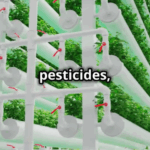 One of the major priorities in sustainable farming is building healthy, resilient soil. Crops such as legumes, perennial grasses, and cover crops are particularly conducive to long-term sustainability because they reduce erosion, enhance soil structure, and naturally fix nitrogen. These crops lower the need for synthetic fertilizers and encourage a biodiverse microbial community underground. Perennials like alfalfa, clover, and native grasses also require less water and maintenance over time, making them ideal for regions impacted by drought or limited rainfall. Rotational grazing systems—where livestock move across different pastures instead of being confined to one—further strengthen soil health, prevent overgrazing, and support more balanced nutrient distribution.
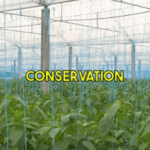 Sustainable farms also benefit from diverse livestock selection, choosing animals that thrive within their environment rather than relying on resource-intensive models. Heritage breeds of pigs, chickens, and cattle often adapt better to outdoor or pasture-based systems, which require fewer grains and less infrastructure. They contribute to a circular system in which manure becomes fertilizer, grazing reduces the need for machinery, and animals gain nutrition from land that may not be suitable for crops. This reduces dependency on external feed and energy inputs, helping farms remain stable even during economic fluctuations.
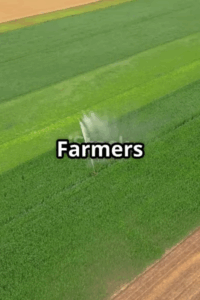 Another key component of long-term farming viability is producing value-added agricultural goods—products that use existing farm resources but increase the potential profitability of each harvest or animal. Within livestock farming, pork products often play a significant role in this strategy. This is where specialty items like cottage bacon become particularly relevant. Cottage bacon is a flavorful, leaner alternative to traditional belly bacon. Instead of being made from pork belly, it is created from smoked and cured pork shoulder (also called pork butt). The shoulder cut gives
 Not all foods are inherently “bad” for you, but some can be harmful if consumed in excess or prepared improperly. For example, certain foods like highly processed sugars, trans fats, and artificial additives can contribute to chronic diseases, including obesity, heart disease, and diabetes. Additionally, some foods are naturally toxic to humans, such as certain types of mushrooms, unripe fruits like ackee, or foods containing high levels of cyanide (e.g., bitter almonds). These foods should be avoided or consumed with caution, depending on their preparation methods.
 While a raw food diet can offer some health benefits by promoting the consumption of nutrient-rich, unprocessed foods, it also comes with potential disadvantages, such as nutrient deficiencies, foodborne illness risks, and a lack of variety. As with any diet, balance and moderation are crucial. Not all foods are inherently bad, but improper consumption or preparation can make certain foods harmful. When it comes to foods like pumpkin seeds, they are typically healthy and provide a range of benefits, but, like all foods, they should be consumed in appropriate amounts to ensure overall health and well-being.
 Sustainability, by definition, is the ability to avoid depleting the natural resources so that ecological balance is “sustained”. People are choosing to reach a level of sustainability through using a variety of means. They strive to learn how to live life in a greener way and it is something that we could all benefit from doing more of.
 There are a lot of things that each and every family can do to help the sustainability movement. You can purchase an environmentally friendly vehicle, use solar power, and much more. It goes beyond the big things, though. You can use greener lawn care products, live by the 3 R’s, (reduce, reuse, recycle), use products for cleaning that are earth friendly, and more. Most all manufactures today attempt to make products that cause less damage to the environment. They are all trying to reduce our carbon footprint and it only takes a little effort for you to find the products that work, without causing damage.