
We write here fairly often about where money goes. Buying from a local farm rather than a distant supplier keeps value in the community, and the same principle holds when you travel. Where you change money, and what you spend it on, decides how much of your trip actually reaches the people who live there.
Argentina is an unusually clear illustration, because for years the country ran two exchange rates at once.
Why There Were Two Rates
For most of the past decade Argentina had an official rate set by the government and a widely used parallel rate, known locally as the dolar blue. Persistent inflation and currency controls meant Argentines wanted dollars, and the gap between the two rates sometimes approached two to one.
That mattered enormously for visitors. Withdrawing from an ATM or paying by card often gave you the official rate, which could mean paying roughly double what a local would consider the real price.
The policy landscape has shifted since 2023 and the gap has narrowed considerably, which is exactly why you should check the current position rather than trusting a blog post from two years ago. A current explainer on money buenos aires visitors need to understand is worth reading close to your departure date.

Watch: MONEY in Argentina – How to Get the Best Blue Dollar Rate (YouTube)
The Practical Position

A few things have held steady regardless of the rate. Carry some cash, because plenty of small businesses, markets and family-run places still prefer it and some cannot take cards at all. Bring clean, undamaged notes if you bring foreign currency, since torn or marked bills are frequently refused.
Check what your own bank charges before you go. Foreign transaction fees and poor internal conversion rates can quietly cost more than any local spread. And take out larger amounts less often rather than small amounts constantly, because fixed withdrawal fees punish frequency.
Most importantly, do not change money on the street with someone who approaches you. Counterfeit notes and short counts are the predictable outcome. Use a proper exchange house or a transfer service with a physical pickup point.
Where the Money Actually Goes

This is the part that connects to everything else we write about. A booking made through an international platform sends a meaningful cut abroad. A room booked directly with the owner does not. Eating at a neighbourhood parrilla rather than a chain, buying from a feria rather than a supermarket, hiring a local guide rather than a packaged tour: each of those decisions changes who benefits.
Staying longer helps too. Slow travel means fewer flights per week of holiday, lower emissions per day, and more of your spending landing in one community rather than being spread thinly across a dozen airports.
Do the Homework
Spend an hour before you go understanding how money works where you are going. It will save you money, but more usefully it will mean the money you do spend supports the place you came to see. That is the same argument we make about buying locally at home. It does not stop applying at the border.


 Sustainability is often associated with fresh produce, renewable energy, or eco-friendly packaging, but it also extends into the world of comfort foods and everyday treats. Many of our favorite snacks can be produced responsibly when sustainability is considered at every step of the supply chain—from the farmers who grow raw ingredients to the manufacturers who process and package the final product. Treats like
  Manufacturing is another crucial stage in creating sustainable treats. Food producers increasingly focus on reducing energy consumption, minimizing water usage, and cutting down on food waste during processing. Pretzel manufacturers may invest in energy-efficient ovens or optimize batch sizes to reduce wasted dough. Cream cheese producers can implement closed-loop water systems and improve refrigeration efficiency to lower their environmental footprint. These behind-the-scenes improvements may not be visible to consumers, but they significantly influence the overall sustainability of the product.
 One of the major priorities in sustainable farming is building healthy, resilient soil. Crops such as legumes, perennial grasses, and cover crops are particularly conducive to long-term sustainability because they reduce erosion, enhance soil structure, and naturally fix nitrogen. These crops lower the need for synthetic fertilizers and encourage a biodiverse microbial community underground. Perennials like alfalfa, clover, and native grasses also require less water and maintenance over time, making them ideal for regions impacted by drought or limited rainfall. Rotational grazing systems—where livestock move across different pastures instead of being confined to one—further strengthen soil health, prevent overgrazing, and support more balanced nutrient distribution.
 Sustainable farms also benefit from diverse livestock selection, choosing animals that thrive within their environment rather than relying on resource-intensive models. Heritage breeds of pigs, chickens, and cattle often adapt better to outdoor or pasture-based systems, which require fewer grains and less infrastructure. They contribute to a circular system in which manure becomes fertilizer, grazing reduces the need for machinery, and animals gain nutrition from land that may not be suitable for crops. This reduces dependency on external feed and energy inputs, helping farms remain stable even during economic fluctuations.
 Another key component of long-term farming viability is producing value-added agricultural goods—products that use existing farm resources but increase the potential profitability of each harvest or animal. Within livestock farming, pork products often play a significant role in this strategy. This is where specialty items like cottage bacon become particularly relevant. Cottage bacon is a flavorful, leaner alternative to traditional belly bacon. Instead of being made from pork belly, it is created from smoked and cured pork shoulder (also called pork butt). The shoulder cut gives
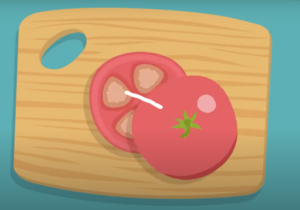 Not all foods are inherently “bad” for you, but some can be harmful if consumed in excess or prepared improperly. For example, certain foods like highly processed sugars, trans fats, and artificial additives can contribute to chronic diseases, including obesity, heart disease, and diabetes. Additionally, some foods are naturally toxic to humans, such as certain types of mushrooms, unripe fruits like ackee, or foods containing high levels of cyanide (e.g., bitter almonds). These foods should be avoided or consumed with caution, depending on their preparation methods.
 While a raw food diet can offer some health benefits by promoting the consumption of nutrient-rich, unprocessed foods, it also comes with potential disadvantages, such as nutrient deficiencies, foodborne illness risks, and a lack of variety. As with any diet, balance and moderation are crucial. Not all foods are inherently bad, but improper consumption or preparation can make certain foods harmful. When it comes to foods like pumpkin seeds, they are typically healthy and provide a range of benefits, but, like all foods, they should be consumed in appropriate amounts to ensure overall health and well-being.
 Everyone can easily see that we live in a battery powered, electronic world. This is a great thing for those who love technology, but it can be a major issue for those who want to take care of our environment. The reason this is a problem is that each year, new devices are being released and most people feel that it is important to go out with the old and in with the new. All those old devices and gadgets end up eventually filling the landfill and they will continue to do so until we start curbing our electronic consumptions.
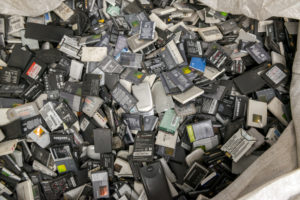 When you think about landfills, you most likely think of trash. However, a lot of what is filling up our landfills now isn’t trash. It is electronic devices that no one wants anymore, and it is disposable batteries that no longer hold a charge. These things do not go away over time. They do not decompose and become a part of the earth. They simply rust and become metal that is eventually covered by dirt where it will sit for many years, causing damage to the land and the environment.
 One thing you should do is acknowledge that you do not always need the latest and the greatest cell phone on the market. Instead, fix the issues that your current phone may have. For most people, it the battery, which does get weaker over time. You do not need to change out the battery every few months. You just need to figure out what is draining the battery faster. Most iPhones allow you to see how much a program will drain your battery when running. If you have things that drain it when all the games and such are turned off, you may want to try and shut it down. You can also lessen the time before it automatically screen locks, set it up on a power saver mode, and turn off your location when it is not necessary. Your phones battery will last longer and stay healthier for a longer time. The way it works is a little complex, but you should know about batteries if you want to discover how to save them. You can read this article to find out how switches preserve batteries. Simply check out the article, boat battery switch explained here, and you will gain an insight into how batteries work best.
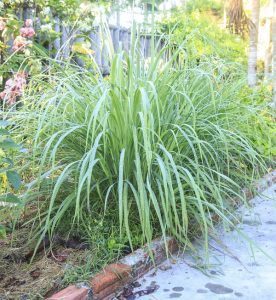 In a world where everyone is worried about spraying a lot of chemicals around because of how it may impact the world; pests become an even bigger problem. Mosquitoes are a primary concern, especially since they are able to carry diseases. Is there a balance to it? Is there a sustainable eco-friendly solution to mosquito control?
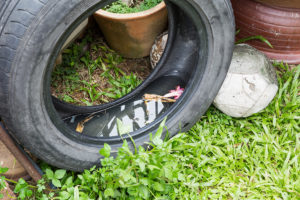 There are several diseases that we have already proven come from getting bit by mosquitoes. A bite from them can spread malaria, West Nile, Dengue, yellow fever, filariasis, Zika, and many more. It seems that every area of the world has had to deal with an outbreak of diseases at some point in time that can be traced back to the insects that attack you by biting. This is because they come into contact with your blood and animal blood. They then leave you and come into contact with another person. Therefore, it is important that you protect yourself, but you do not want to always spray chemicals on your body or to treat your property to keep them away from you. This makes everything more complicated.
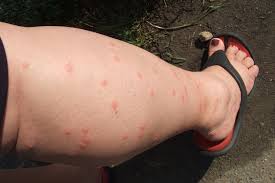 Mosquitoes do still manage to bite occasionally. When they do, you have to worry about what it may be spreading your way. To protect yourself, you must wash the bite with soap and water. This may also help to soothe it, but will not get rid of the itch completely. Therefore, you should put anti itch cream or Calamine lotion on the bite to help stop the itching that will inevitably happen. If that does not help enough, you can put an ice pack on it, which will also give relief. Rarely, people may have a reaction that goes beyond itching. This happens mostly if you are bitten several times. The reactions may then include dizziness or feeling sick. If you have children, explain that mosquitoes are bad, and they should tell you about itchy, red, spots that appear on them. Tell them that it has to be washed and treated to prevent it from making them sick. You may also want to encourage them to stay indoors during the early morning or evening hours.
 There is a world-wide concern that one day, things will go south, and we will have to worry about our sustainability. There is a constant push for people to prepare doomsday bags and plan for a life without the luxuries that we have now. Gardens are being grown so that people will have food, money is being banked so that we will have money, and there are people who have non-perishable foods stored away. Luckily, because of everyone’s desire to be self-sustaining in the event of a disaster, there are plenty of sustainable food supplies, even for our pets!
 They say that you should pack enough supplies to last you and your entire family for several days at the very least. This also includes having enough supplies on hand for our beloved pets since they are an extension of most families. Most owners go above and beyond to make sure that their pets are eating the best possible foods available, and it should continue to be a priority if bad things happen because they will depend on you to help them survive as much as your children will.
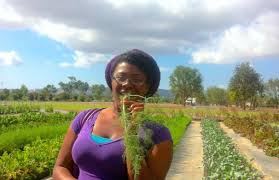 When talking about the sustainability of foods, we often have to wonder about pet foods. People often wonder whether dog food is sustainable or if it is something they have to worry about going bad. They also have to worry about storing a 50lb bag of dog food to sustain their pet for a week if they have a large breed dog. Where would you hold that much dog food? Could you store it in a way that rats and other critters wouldn’t get into it? Perhaps the better way for some people to handle it is to consider another alternative. There is a few
  Sustainability, by definition, is the ability to avoid depleting the natural resources so that ecological balance is “sustained”. People are choosing to reach a level of sustainability through using a variety of means. They strive to learn how to live life in a greener way and it is something that we could all benefit from doing more of.
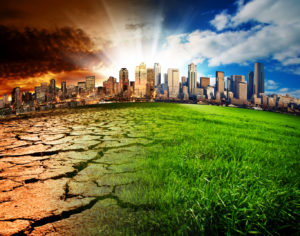 There are a lot of things that each and every family can do to help the sustainability movement. You can purchase an environmentally friendly vehicle, use solar power, and much more. It goes beyond the big things, though. You can use greener lawn care products, live by the 3 R’s, (reduce, reuse, recycle), use products for cleaning that are earth friendly, and more. Most all manufactures today attempt to make products that cause less damage to the environment. They are all trying to reduce our carbon footprint and it only takes a little effort for you to find the products that work, without causing damage.